HVAC Load Calculation Checklist Before Replacing Your System
The ultimate guide to ensuring your new system is sized correctly. Do not sign a contract until you check these boxes.
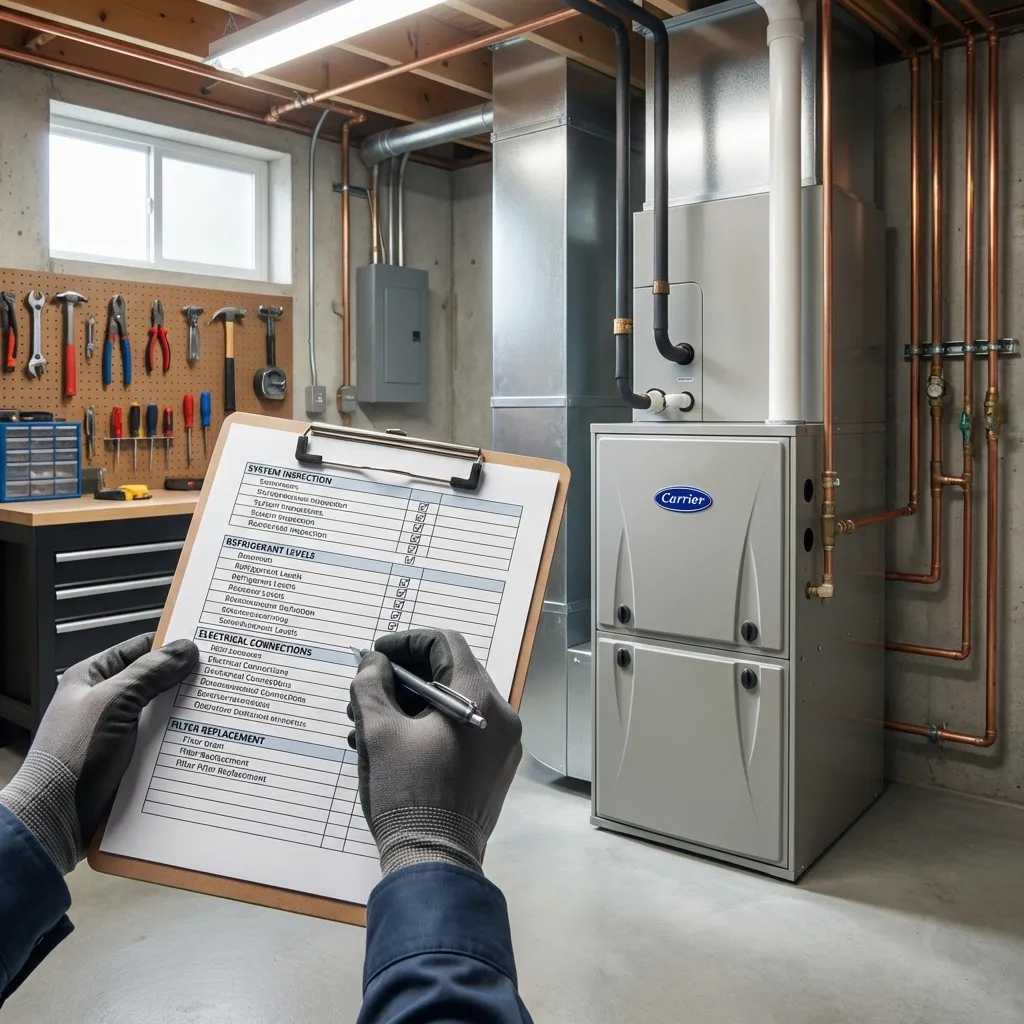
Replacing your HVAC system is a $10,000+ investment. The most important step isn't choosing the brand—it's getting the size right.
Many contractors will simply look at your old unit (e.g., "Oh, it's a 3-ton") and quote you for a new 3-ton. This is the Cardinal Sin of HVAC replacement. Your old unit was likely oversized to begin with, or your home has changed since it was installed.
Use this hvac load calculation checklist to ensure your contractor does their job properly.
The "Must-Have" Checklist
-
Did they measure your windows?
Guessing window sizes leads to massive errors in solar gain calculations.
-
Did they check insulation depth?
They should stick a ruler in your attic insulation or inspect the walls.
-
Did they ask about renovations?
New windows, new roof, or room additions change the load profile completely.
-
Did they check ductwork condition?
Leaky ducts can account for 30% of your load. Replacement is the best time to fix them.
Why Old Unit Sizing Fails
In the past, energy was cheap and calculation software didn't exist. Builders used "Rules of Thumb" (like 500 sq ft per ton) to size units. This almost always resulted in hvac replacement sizing that was too big.
If you replace a 20-year-old 4-ton unit with a new 4-ton unit, you are likely locking in high humidity and short cycling for another 20 years.
Red Flags to Watch For
- The "Drive-By" Quote: Contractor gives you a price over the phone without seeing the house.
- The "Square Footage" Sizer: Contractor measures the outside of the house and says "Based on the square footage, you need..."
- The "Like-for-Like" Swap: Contractor looks at the model number of your old unit and orders the same size.
Verify Their Numbers
Before you sign for a $12,000 system, run a free independent check to see if their sizing makes sense.
Check Correct System Size